

Lama Obeid is taking money from her wallet so she can pay to leave home. A few weeks earlier, she was handed every travel writer’s dream: a commission from Lonely Planet to write a guidebook on Egypt. She should be ecstatic. Instead, she is dreading it.
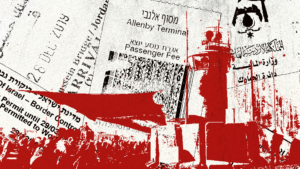
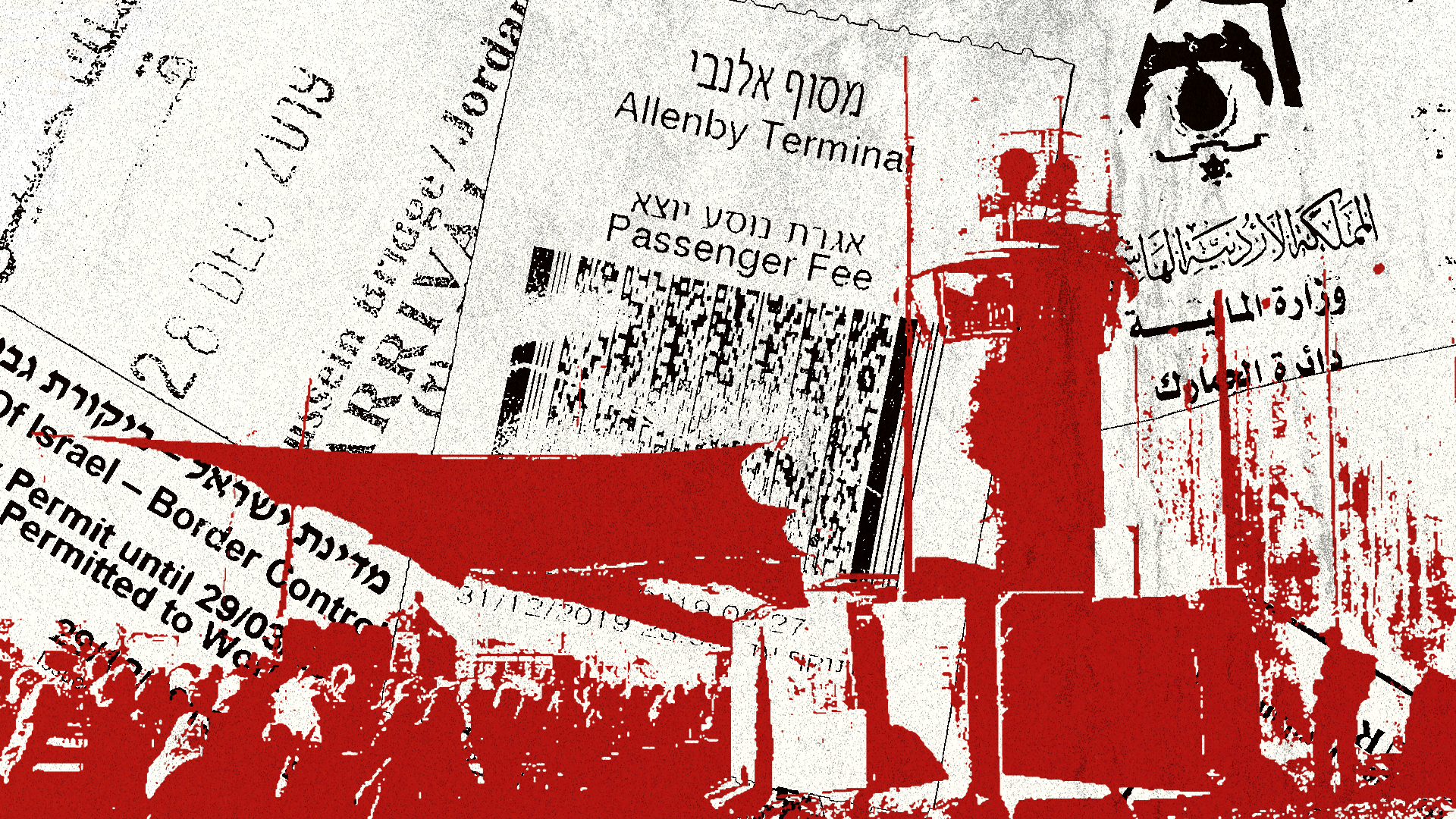
To get to Cairo, Lama, 36, must cross the Allenby Bridge (also known as the King Hussein Bridge or Al-Karameh Bridge) to Jordan — the only gateway connecting about 3.5 million West Bank Palestinians to the outside world, which effectively functions as another Israeli checkpoint.
Despite living under Israeli occupation, most Palestinians in the West Bank cannot travel through Israeli airports. The closest option is Queen Alia International Airport in Amman, Jordan, which is less than three hours by car. To get there, they have to use Allenby. But it’s not as simple as driving across the border.
Allenby is run by the Israeli Airports Authority. While it should function like any international border crossing (24 hours a day, seven days a week), it opens just six hours a day, five days a week. Since October 2023, it’s half-days on Friday, closed on Saturday. Crossing can take several attempts and a lot of uncertainty. Only one thing is guaranteed: Palestinians must part with money the vast majority do not have.
I invite you to imagine making this journey when you need to leave Ireland. Before travelling, Lama must take a photo of herself and her Palestinian ID card to a service office. Here, she gets an exit permit. The cost: about €12.50. After that, it should be a 45-minute drive from her home in Ramallah to the border terminal near Jericho, but depending on checkpoints and the whim of Israeli soldiers, it could be hours. If checkpoints are closed, she may not get there at all.
According to the most recent UN data from December 2025, at least 925 fixed and temporary checkpoints, metal gates, roadblocks, and earth mounds divide the West Bank, tearing families apart, crippling the economy, and obstructing Palestinians from essential services such as schools and hospitals. A WIRED investigation reported this month that the number is now 942. If luck is on her side, Lama will arrive at the border and get a number at the gate.
Then, it’s straight to the Palestinian border office to pay the exit tax, which, since December 2025, is around €60 per person for all Palestinians aged two and over.The average income in the West Bank is about €735 per month. Latest figures put unemployment at 27.5%. Payment made, Lama moves to the next window to buy bus tickets for herself and her luggage. This usually costs €10, plus tips for the border staff. Without that, her bags go nowhere.
When her number is called, she approaches the Palestinian border desk and presents her documents: exit permit, passport, Palestinian ID, Jordanian bridge card, and exit tax receipt. That’s the first check complete. Next, she boards the bus to the Israeli border terminal. Greeted by gun-toting soldiers, Lama passes through metal detectors and shows her Palestinian ID and exit permit to Israeli border police. There are extensive security checks and, often, extensive questioning.
If she is waved through, Lama must take another bus to the Jordanian side of the border, where there are more forms to be filled and more fees to be paid. Once she completes an arrivals slip and submits to a pat-down from a female security officer, she lines up at a window to show her documents all over again.
She takes her stamped arrivals card, hands it to another border guard, then moves on to look for her bags in a room full of luggage. When she finds them, she loads them onto a security belt to be scanned and pays for the privilege, about €2 per piece. Then it’s out into Jordan to find a taxi to the airport. Only then does work for Lama, an accomplished travel journalist who has written for Wanderlust, Lonely Planet, and The New Arab, really begin. And that only happens if the border is open in the first place.
West Bank Palestinians are cut off from the outside world whenever Israel closes Allenby, which it does routinely on Jewish holidays, “at the direction of the political leadership” and for unexplained “security concerns”. These arbitrary closures leave millions trapped in an open-air prison and prevent Palestinians abroad from getting home. The Sunburst asked the Israel Airports Authority to comment on this but has not received a response.
If leaving home is difficult for Palestinians, returning is a nightmare. So arduous, in fact, that’s a story for another day. As Lama says: ‘It’s sad, but it’s the reality. Now, we restrict our own travel.’