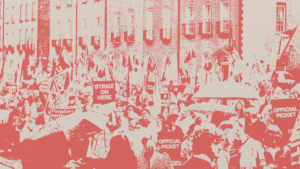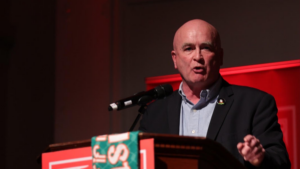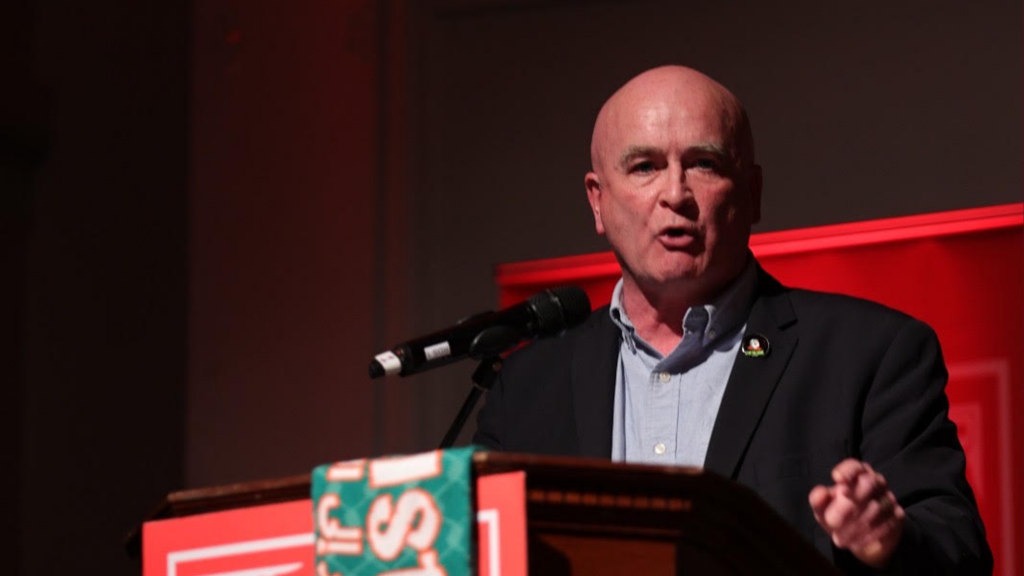
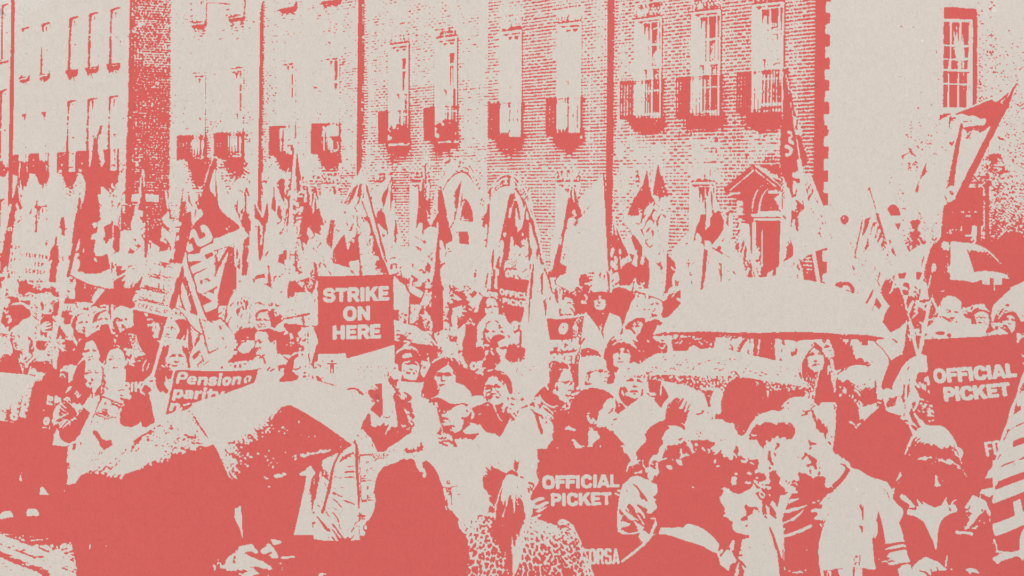

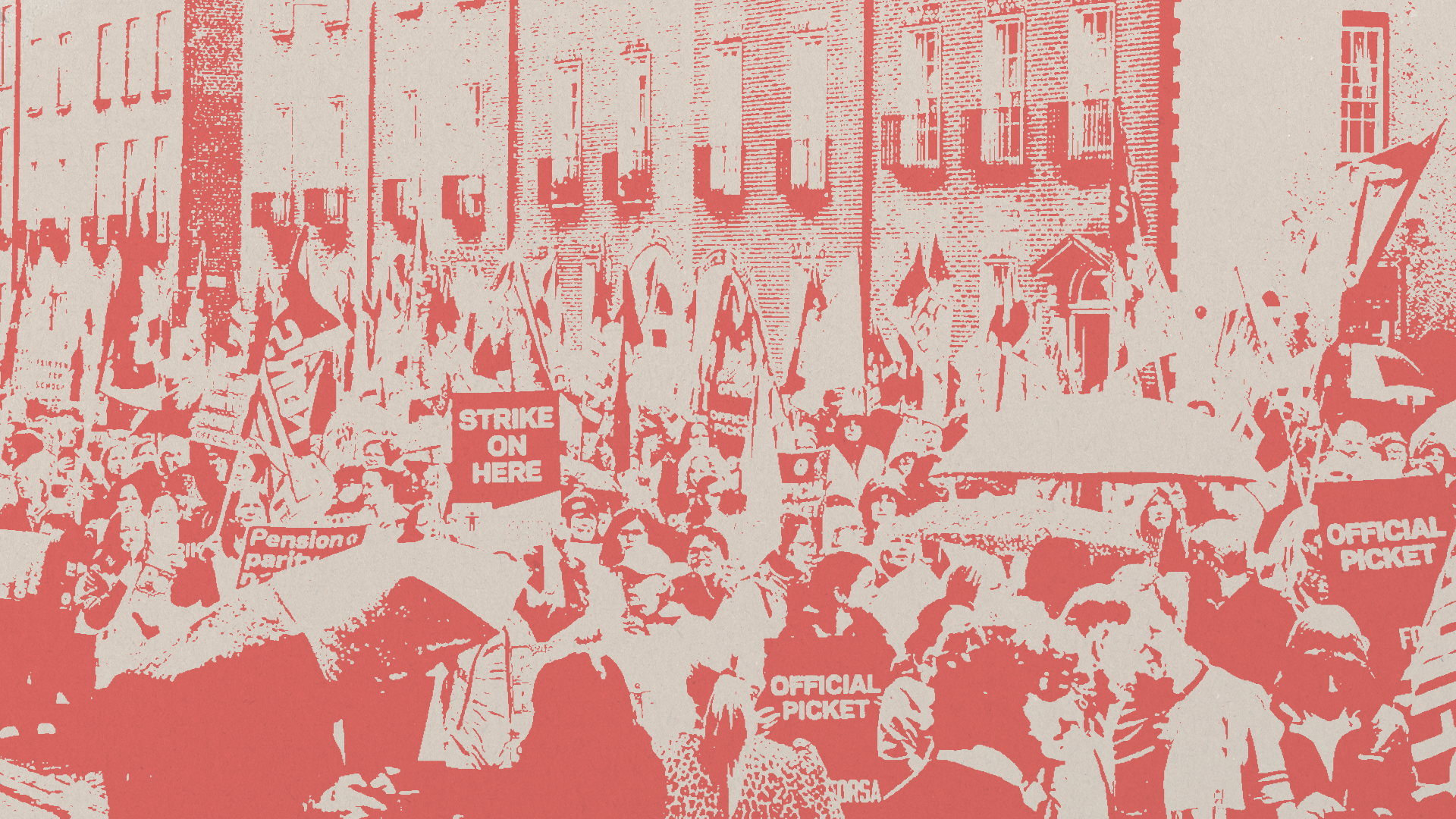
Tomorrow, Wednesday 14th October, over 300,000 public-sector workers across the 26 counties will go on strike. Set to be the largest work stoppage in the history of the state, unions are demanding the Government put cost-of-living measures and wage increases first on the agenda for any public sector pay deal negotiations.
The last public sector pay deal was agreed in early 2024, and expired in June 2026. Having already faced a 5% real wage decrease due to inflation, public sector workers are now left in limbo until a new deal can be reached.
Minister for Public Expenditure Jack Chambers set aside just 1.2 billion in last week’s budget for public sector pay negotiations. In that same budget, he added one billion euro to our sovereign wealth funds. These so-called “rainy day funds” will be worth over 23 billion euro at the end of 2026 according to the National Treasury Management Agency.
Nineteen unions, including Fórsa, SIPTU, INTO, ATSI, and IFUT, voted overwhelmingly in favour of industrial action up to and including strike actions. This has not happened on such a large scale since 2009, during the height of the global financial crisis.
With schools, government buildings, court sittings, non-emergency medical appointments, driving tests, and parks all set to close or be cancelled tomorrow, Government are desperate to break worker solidarity and public support for the strikes.
Minister Chambers has called the strikes “really unfair on the public,” and Taoiseach Micheál Martin has told workers to “dial it down.”
One civil service worker in Louth responded to the Taoiseach by calling him a “wasteman”, explaining that “more seriously, those comments are very anti-worker; every worker has a right to a union and to collectively bargain. They’ve been sitting on their hands with this public sector pay deal for too long now; they’ve come out with another inflationary budget that’s going to be gone before you get it.”
He believes that the Government are shutting down public buildings in an attempt to discourage picketing and coerce people into working from home, crossing the digital picket line:
“There’s a circular that went around that said all of these buildings, including Custom House, Ballina, North King Street, Wexford and more will all be closed for “health and safety” reasons… all these health and safety issues that will happen to last for 24 hours.”
“I think it’s to make the conditions to picket less conducive but may encourage people to work from home… If you’re restricting access to the building, you are making it harder to organise… no access to a kitchen or bathrooms.”
A recent graduate working for the civil service in Dublin has said: “I still live at home even tho I am not an entry-level CS grade; I feel like I wouldn’t be able to rent and maintain the same quality of life I have now on my salary, which really isn’t that high… the education opportunities and flexible hours are great, it just doesn’t seem like it will be sustainable with the way things are going with the cost of living.”
“I have a few other friends who are around my age in the civil service and they’re all loving it at the moment, but generally don’t know if they’ll be able to afford a mortgage, rent, or a family in the future if they stay in the public sector.”
Pickets will be taking place at public sector workplaces across the 26 counties tomorrow. If you are a public sector worker, check your union’s website to find where you should report, as not all workplaces will be picketed.